The role of museums for national security
Human after all: museums in the age of AI was the timely theme of the 2026 NEMO conference. A thought-provoking presentation was by the Director General of the Swedish Psychological Defence Agency. The panel discussion then revolved around the role museums can play in strengthening democratic resilience, trust, and civic engagement in an AI-driven information landscape. The message was clear: safeguarding and supporting museums isn't a cultural nicety, it is a democratic necessity.
Last year, the Psychological Defence Agency and Bildkonst Sverige (Visual Arts Sweden) embarked on a pioneering collaboration around visual literacy as critical security infrastructure. Now the report Visual Disinformation and Visual Literacy: Key Skills for Resilience has been published.
Its arguments are bold: in an image-dominated media landscape, the ability to read and critically assess visual information is a core democratic competency. The cultural sector can be a pillar of security infrastructure, and artistic expertise is a defensive asset. It recommends re-investment in visual arts education and creative institutions, transforming them from "leisure spaces" into essential training grounds for civic defence.
Subscribe to our free monthly newsletter to get stories like this in your inbox.
The role of museums for national security
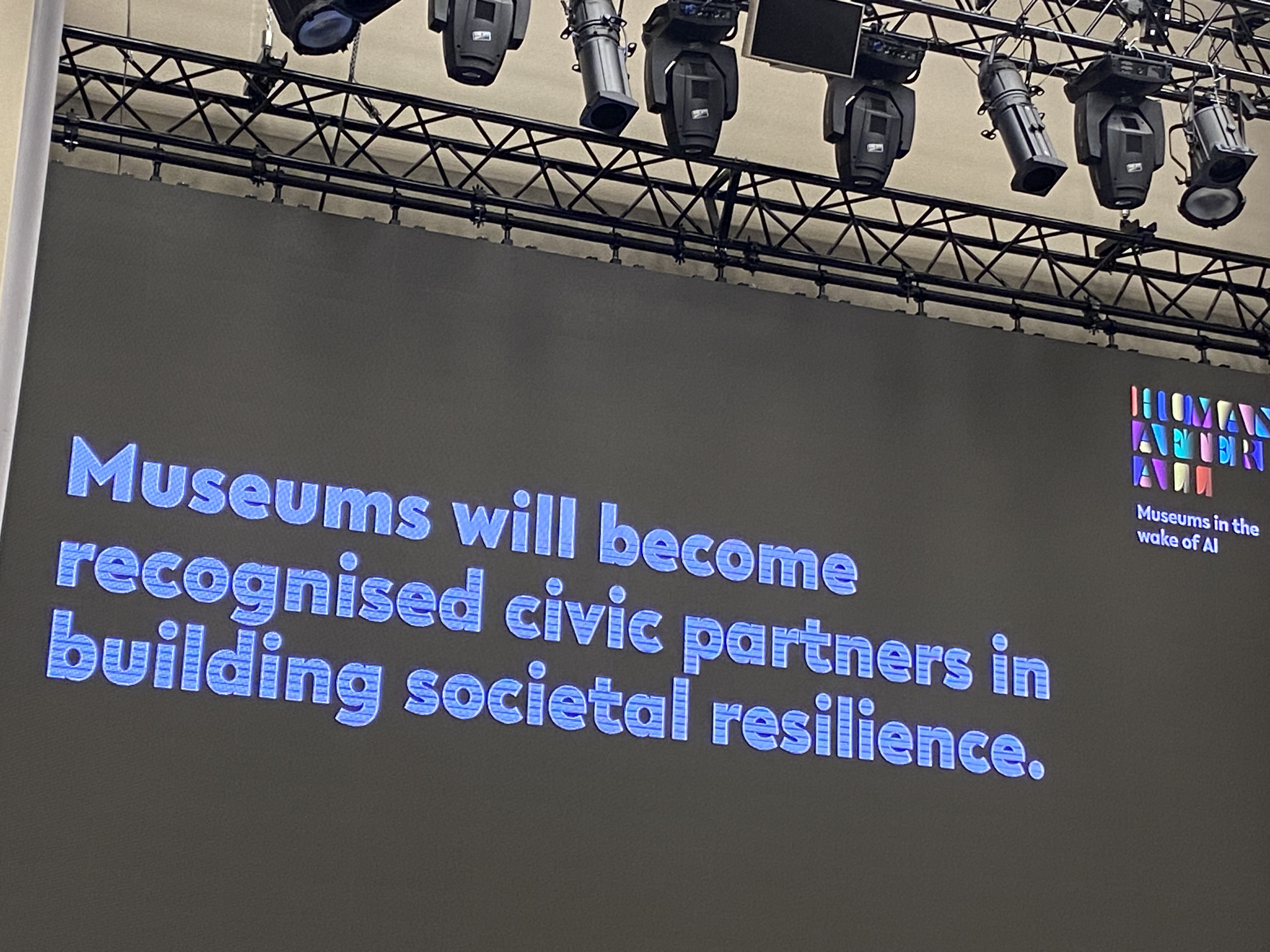
Human after all: museums in the age of AI was the timely theme of the 2026 NEMO conference. A thought-provoking presentation was by the Director General of the Swedish Psychological Defence Agency. The panel discussion then revolved around the role museums can play in strengthening democratic resilience, trust, and civic engagement in an AI-driven information landscape. The message was clear: safeguarding and supporting museums isn't a cultural nicety, it is a democratic necessity.
Last year, the Psychological Defence Agency and Bildkonst Sverige (Visual Arts Sweden) embarked on a pioneering collaboration around visual literacy as critical security infrastructure. Now the report Visual Disinformation and Visual Literacy: Key Skills for Resilience has been published.
Its arguments are bold: in an image-dominated media landscape, the ability to read and critically assess visual information is a core democratic competency. The cultural sector can be a pillar of security infrastructure, and artistic expertise is a defensive asset. It recommends re-investment in visual arts education and creative institutions, transforming them from "leisure spaces" into essential training grounds for civic defence.
Subscribe to our free monthly newsletter to get stories like this in your inbox.